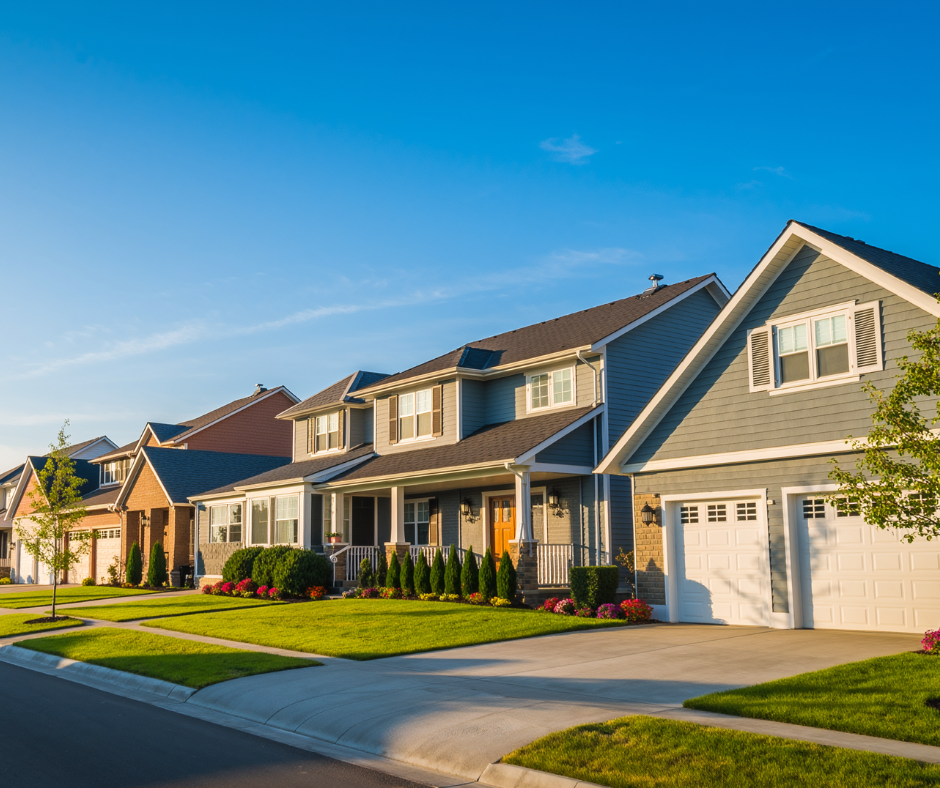
Having a hard time deciding between new construction and an existing home? I see this a lot! Both options have real advantages, and neither one is the universally “better” choice. It really comes down to your priorities, your timeline, and what you’re looking for in a home and a community.
The good news? If you’re exploring the Southeast Wisconsin real estate market, you’ve got solid options on both sides of the fence. Let’s take an honest look at the pros and cons of each so you can walk into your home search feeling informed, confident, and ready to move!
The Pros of Buying New Construction
There’s something undeniably exciting about being the very first person to live in a home. But beyond the “new home smell,” there are genuinely compelling reasons buyers choose the new construction route.
One of the biggest draws is customization. Depending on where you are in the building process, you may have the opportunity to choose your floor plan, finishes, fixtures, and more. You can essentially tailor the home to your lifestyle before you ever set foot in it.
Builders like Miller Marriott Homes take that a step further with a full design-build process that connects architecture, design, and construction under one roof, giving buyers a truly collaborative and personalized experience. Similarly, Harbor Homes offers thoughtfully designed communities across Southeast Wisconsin with modern layouts and desirable finishes built for the way people actually live today.
New construction also means everything is just that… new! New roof, new HVAC, new plumbing, new electrical. You’re not inheriting someone else’s deferred maintenance or wondering what’s lurking behind the walls.
Modern builds are also held to current energy efficiency standards, which can translate to lower utility bills and a more comfortable home year-round. And, even though everything is brand new, most new construction homes come with a builder warranty, giving you an added layer of protection and peace of mind in those first few years of ownership.
The Cons of Buying New Construction
New construction isn’t without its trade-offs, and it’s worth going into this process with your eyes wide open.
The biggest downside for most buyers is (of course) price. Brand-new homes typically come with a higher price tag than comparable existing homes. And those exciting customization options can add up quickly once you start upgrading finishes and selecting add-ons.
Timeline is another factor to keep in mind. Unless you’re purchasing a spec home that’s already built or nearly complete, new construction means waiting. Depending on the builder and the floor plan, you could be looking at several months before you can move in. If you’re working against a deadline, like a lease ending, a school year starting, or a life transition, that timeline can feel very stressful.
Finally, if you’re building in a new development, that might also be a downside for you. The neighborhood might still be coming together, landscaping may still be underway, and the community amenities may not be up and running by your settlement date. For some buyers, being part of something from the ground up is part of the appeal. For others, it’s a dealbreaker. It’s worth thinking honestly about which camp you fall into before falling in love with a custom floor plan.
The Pros of Buying an Existing Home
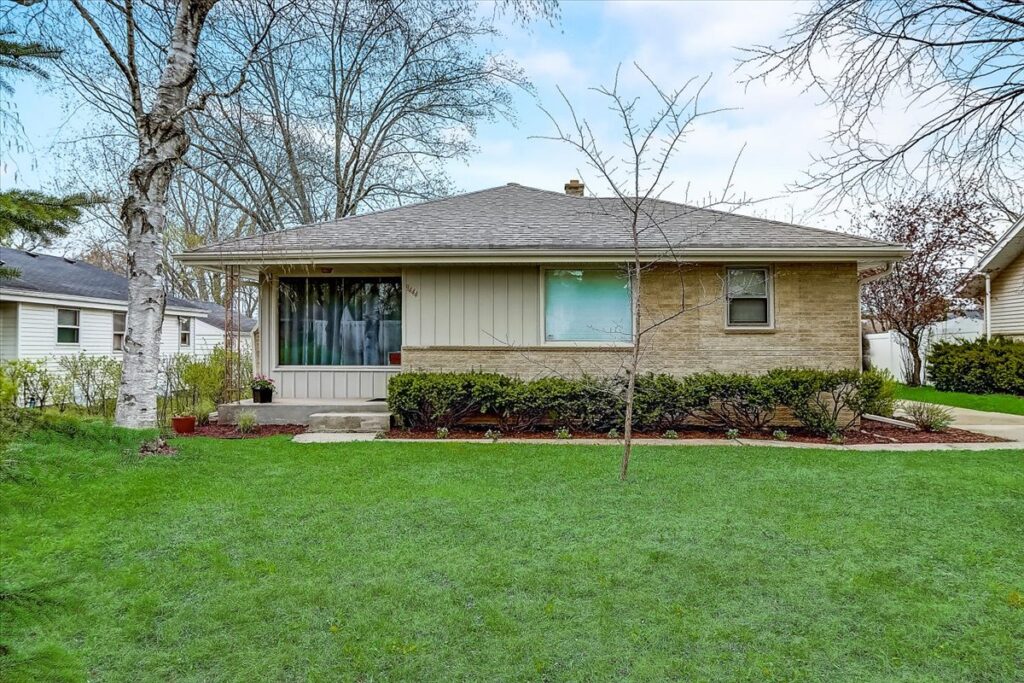
For a lot of buyers, the ability to move into an established neighborhood with mature trees, sidewalks, nearby schools, and a sense of community already in place is a major selling point. You know what you’re getting in terms of location, and you can get a real feel for the neighborhood before you ever sign on the dotted line!
There’s also the matter of value. If getting the most space for your budget is a priority, the existing home market is often where that equation works in your favor. And of course, existing homes also have fun features like unique architectural details and established landscaping that give a home personality and a sense of history that a brand-new build simply can’t offer on day one.
Perhaps the most practical advantage is the timeline. Existing homes are typically move-in ready, meaning once you close, you can start unpacking. There’s no waiting on build schedules or weather delays. For buyers who need to move within a specific window, that assured timeline could be your deciding factor.
The Cons of Buying an Existing Home
The flip side of all that charm and character is that existing homes come with history… and not all of it is good. Older systems like HVAC, roofing, plumbing, and electrical may be nearing the end of their lifespan, which means potential repair or replacement costs down the road. You can try to get ahead of it with a thorough home inspection, but even the best inspection can’t catch everything. It’s wise to budget for surprises.
Energy efficiency is another area to consider. Older insulation, windows, and HVAC systems can mean higher utility bills and less consistent comfort throughout the home. While upgrades are possible, that’s more money you have to budget for, after closing.
Then there’s the market reality. In competitive areas, desirable existing homes can attract multiple offers quickly, sometimes pushing the price above asking or leaving buyers feeling rushed into decisions. It can be a stressful process, especially for first-time buyers who are still getting their footing. Having an experienced local agent in your corner can make a significant difference in navigating that challenge successfully.
Important Things to Remember
The right choice here really depends on what matters most to you at this stage of your life. Here’s a quick recap to help you sort through it:
- Choose new construction if you want customization, modern energy efficiency, builder warranties, and don’t mind a longer timeline or a slightly higher price point.
- Choose an existing home if you want more location flexibility, move-in ready convenience, established neighborhood vibes, and potentially more space for your budget.
- Budget beyond the purchase price. New construction upgrades and existing home repairs can both add up, so go in prepared either way.
- Timeline matters! If you need to move by a specific date, an existing home is usually the more predictable path. If you have flexibility, a new build could be worth the wait.
- Work with someone who knows both sides. Whether you buy an existing home or build from the ground up, having a knowledgeable local agent on speed dial makes the process smoother.
The Southeast Wisconsin market offers genuinely great options in both categories, from custom and semi-custom new builds to established neighborhoods full of character across Brookfield, Waukesha, Muskego, and beyond. The best move is the one that fits your life!
Ready to Find Your Perfect Home in Southeast Wisconsin?
Whether you’re leaning toward a brand-new build or the charm of an existing home, navigating the Southeast Wisconsin real estate market is a whole lot easier with the right guide.
If you’re considering buying in the area, reach out. Let’s explore your options and bring your dreams home!